
 Jamaica




Lorem ipsum dolor sit amet, dolor siterim consectetur adipiscing elit. Phasellus duio faucibus est sed facilisis viverra. Umero praesent nec accumsan nibh, eu grav da metus.
1 min read
(Support & Escalation – Seller & Buyer Guide)
Sometimes a case feels “stuck” — no updates, no movement, no clarity.
On Kingston Express, stalled cases are usually under review, waiting on verification, or paused for external checks — not ignored.
This guide explains:

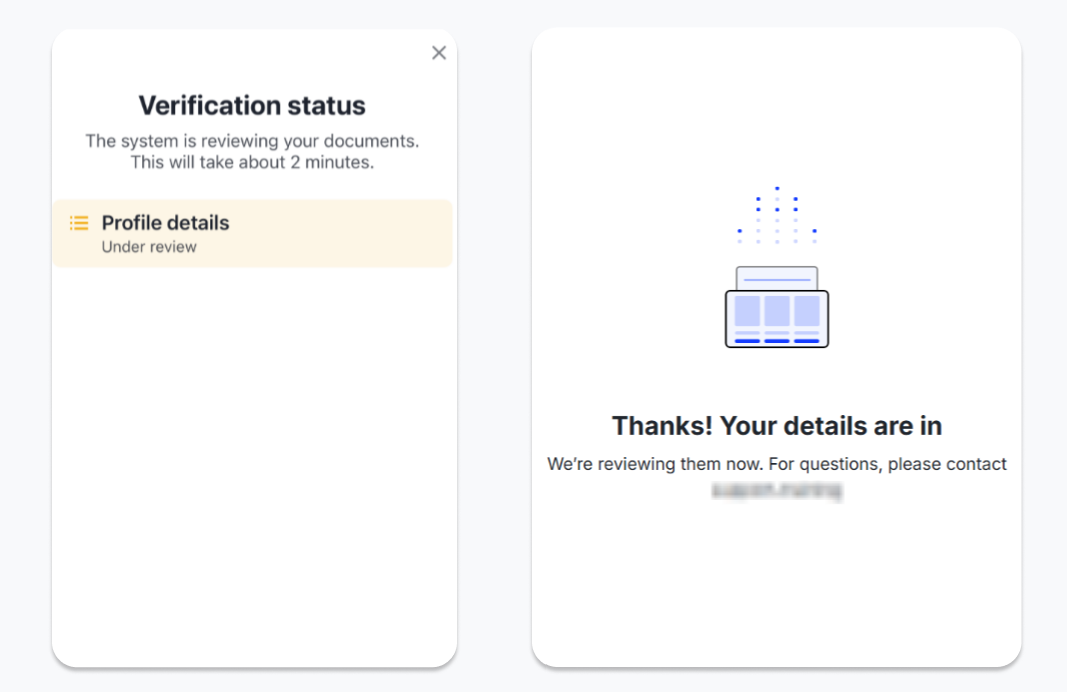
Most “stalled” cases are actually:
📌 No update does not mean no work is happening.
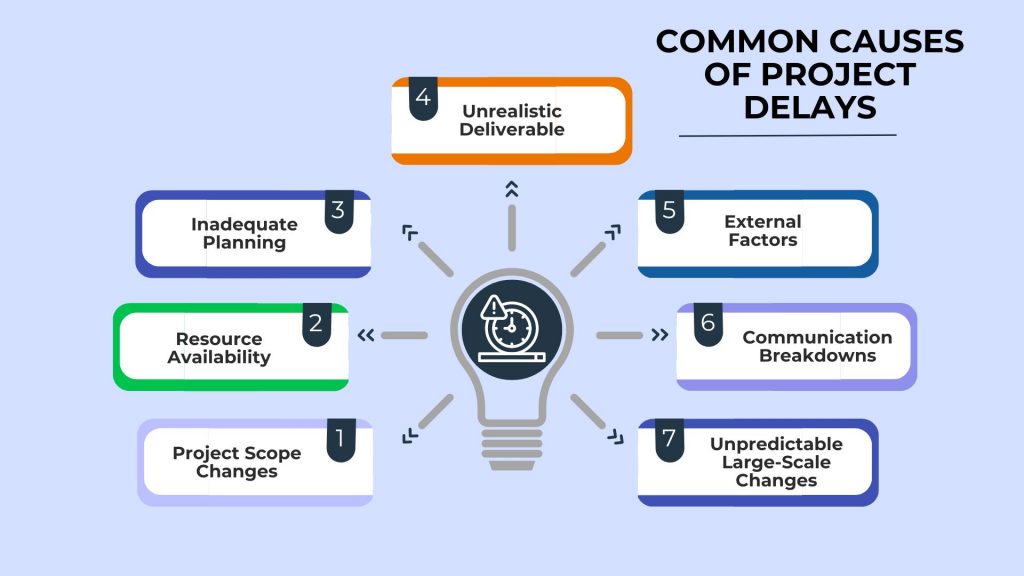

Cases often slow down due to:
📌 Complexity increases review time.
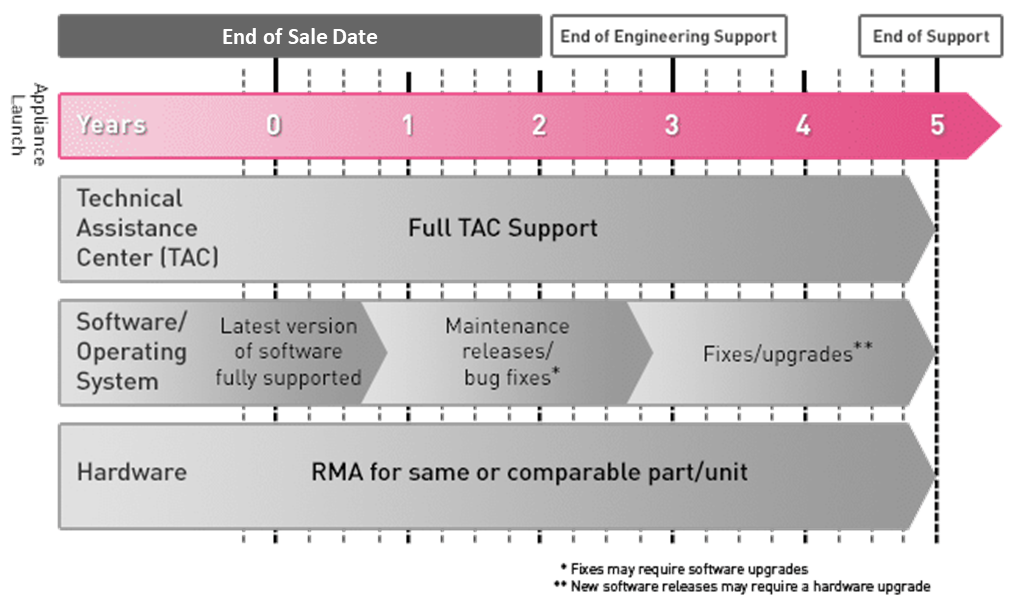
A case may be considered stalled if:
✔ It exceeds the stated response timeline
✔ No status change occurs for an extended period
✔ No follow-up request is issued
📌 Always compare against expected timelines first.
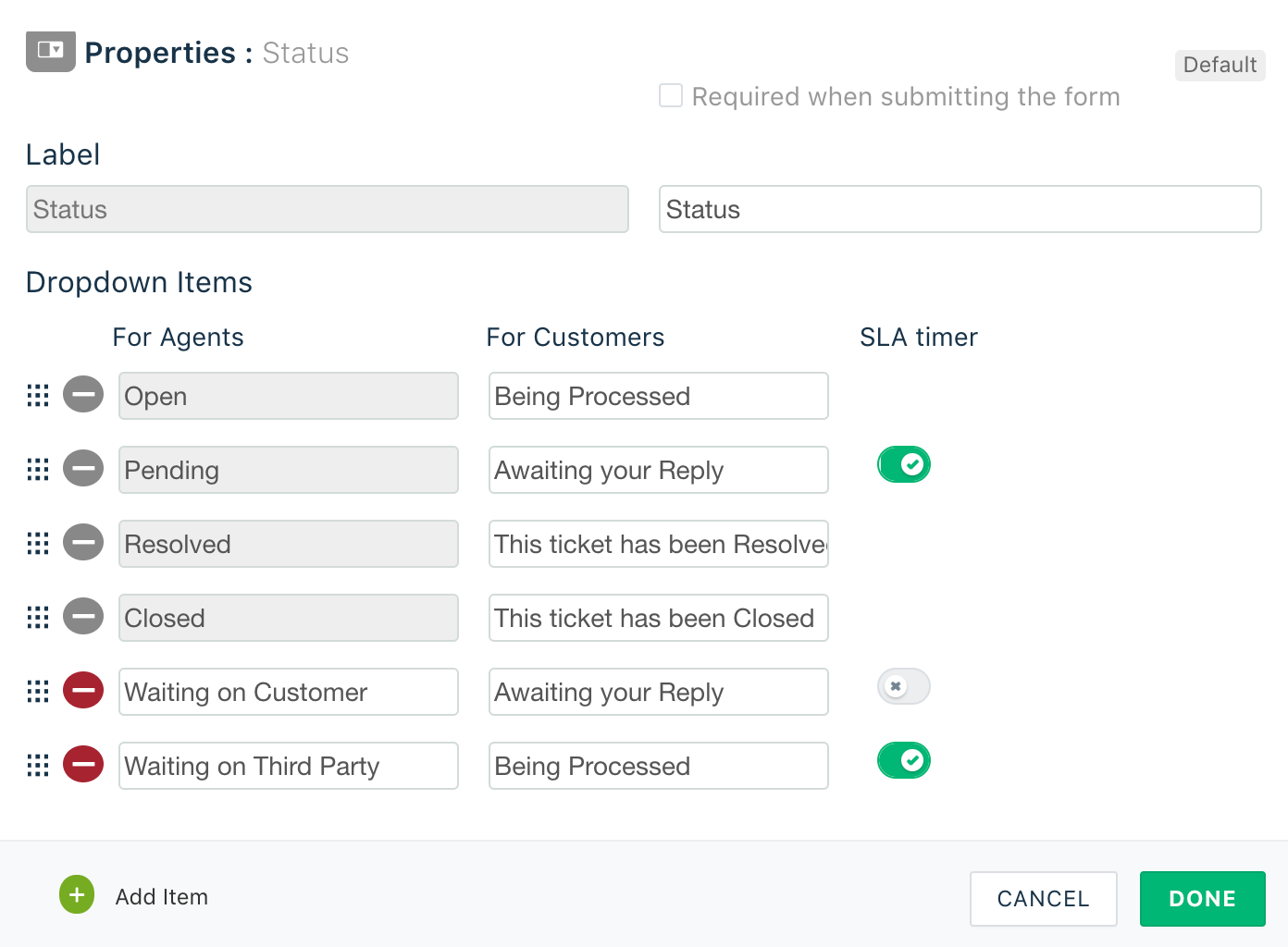
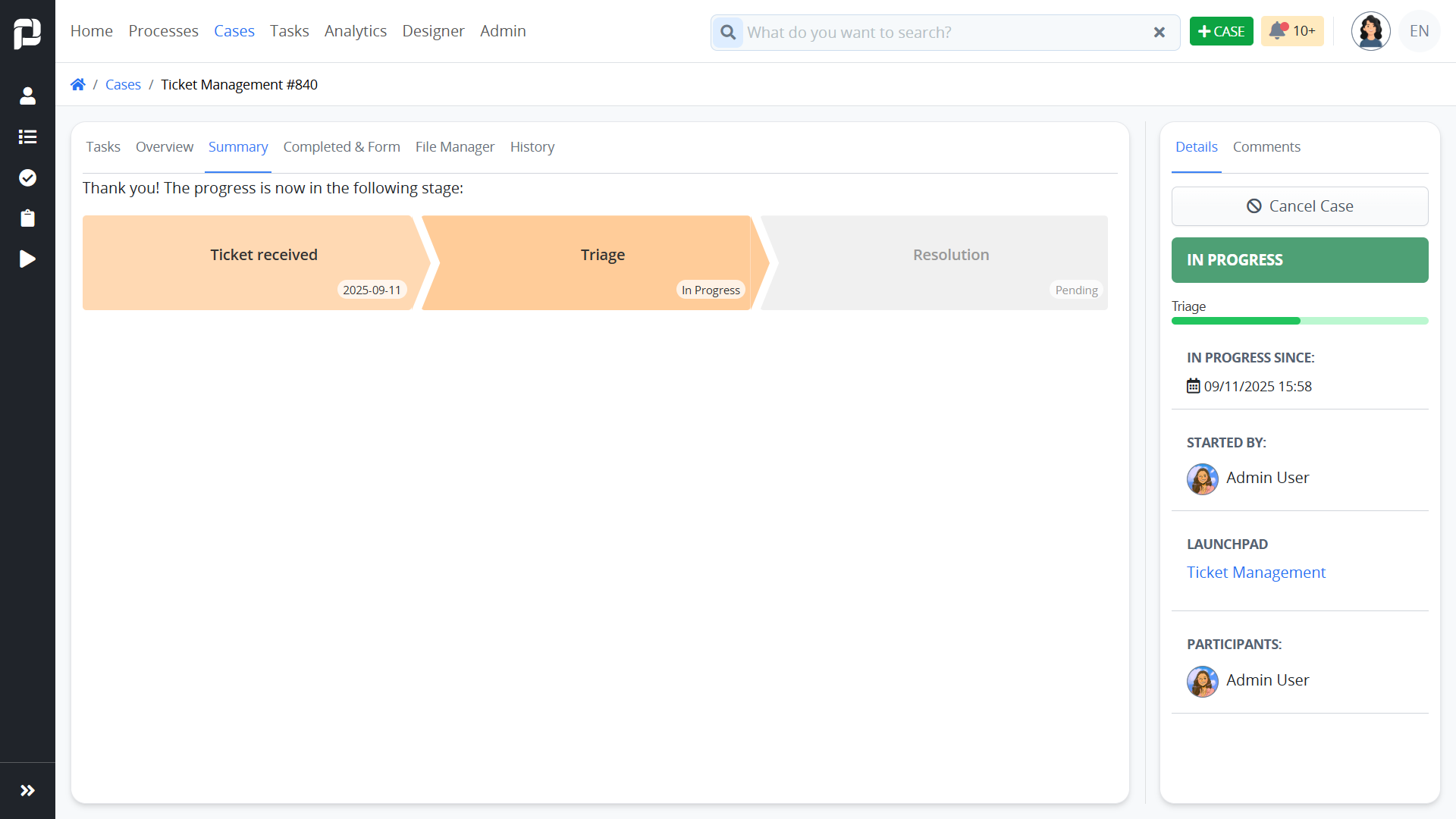
Before acting:
📌 Many delays are waiting on user input.

Check whether:
📌 Incomplete info pauses cases.


If the case is:
✔ The best action is to wait
📌 Premature follow-ups reset queues.


If timelines are exceeded:
✔ Reply to the existing ticket
✔ Reference the ticket or order number
✔ Ask for a status update calmly
Example:
“Hello, this case appears to be beyond the stated review timeframe. Could you please confirm the current status?”
📌 Polite, single follow-ups work best.
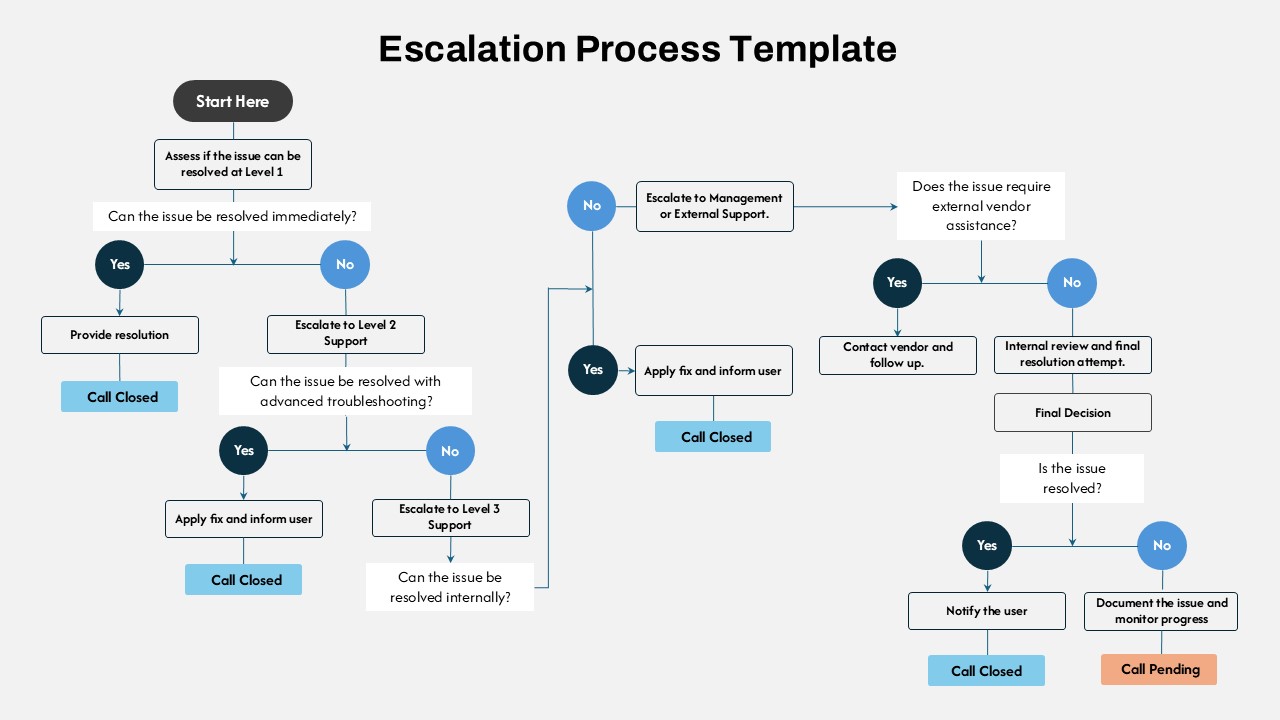
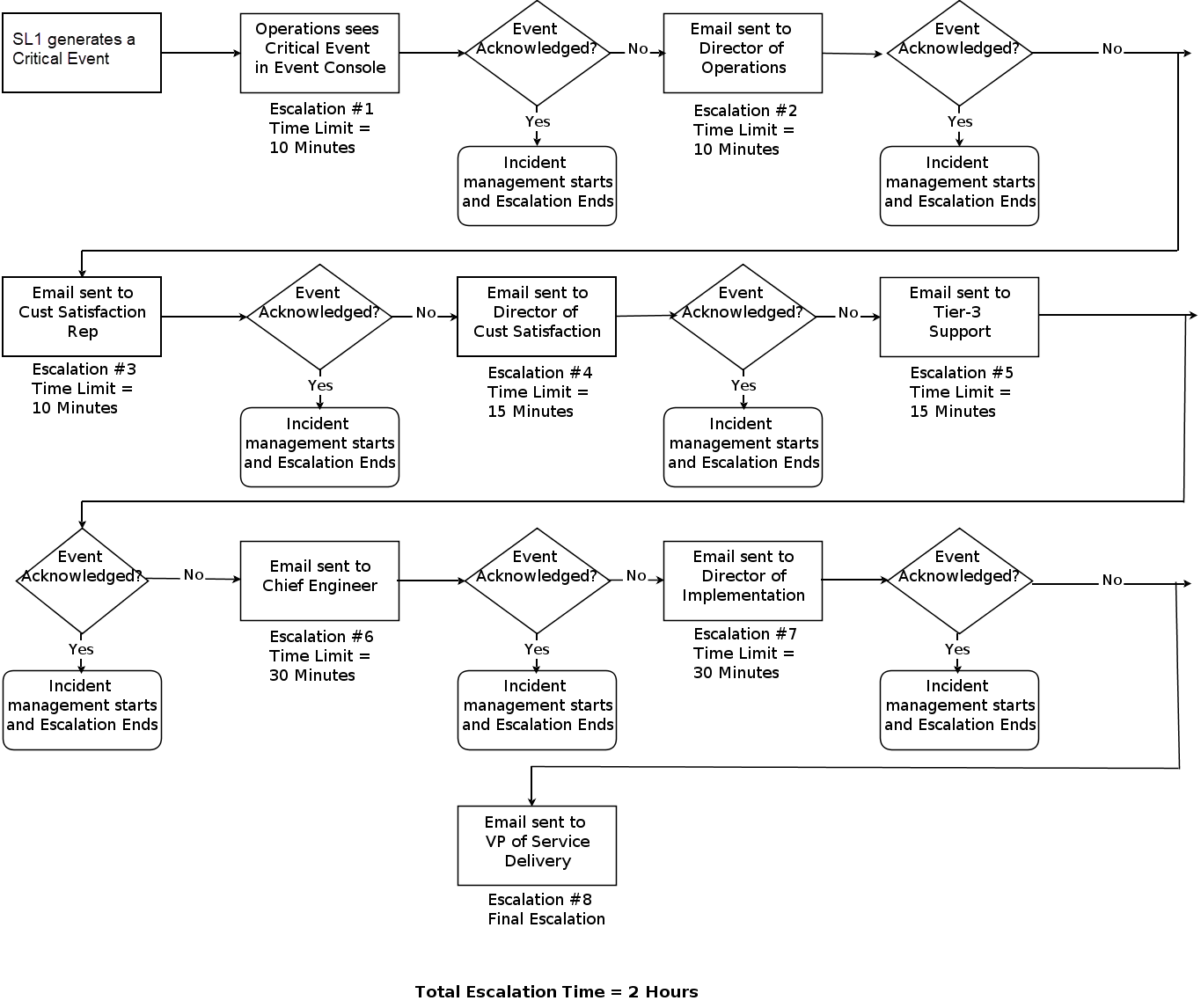
Escalate only if:
✔ The case is clearly overdue
✔ No response after follow-up
✔ A process error appears likely
📌 Escalation without cause slows resolution.

❌ Open multiple tickets
❌ Re-submit the same request
❌ Message daily
❌ Escalate emotionally
⚠️ These actions push cases backward.
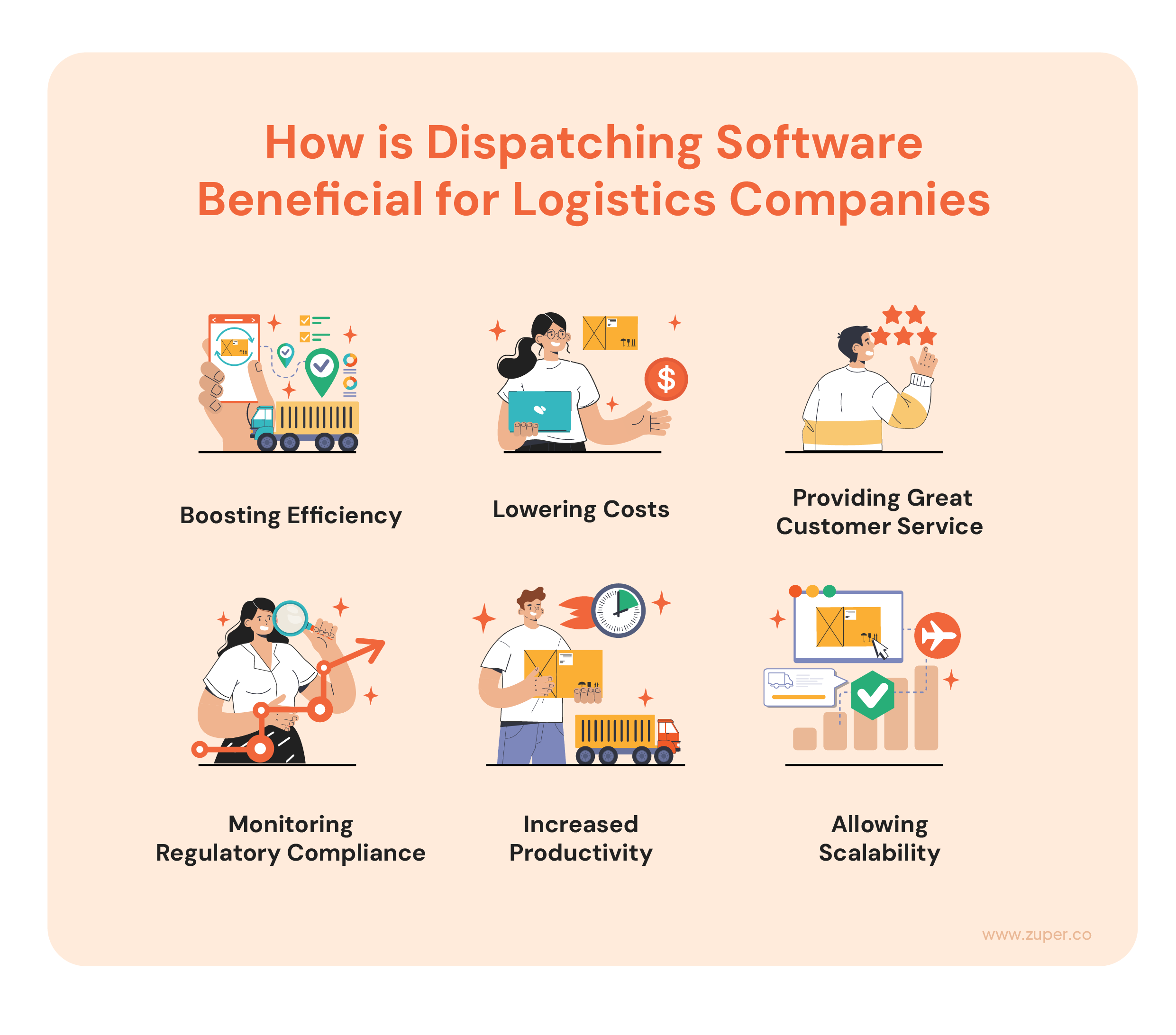
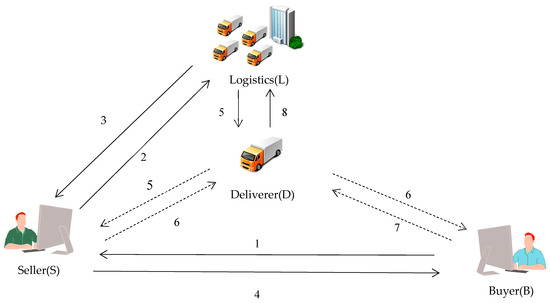
Orders Dispatched by Kingston Express:
📦 Verified data prevents stalls.

Some delays are unavoidable:
📌 These are monitored, not ignored.


After resolution:
✔ Identify what caused the delay
✔ Improve listings or documentation
✔ Use dispatchment where possible
📈 Prevention is the real win.
👉 Stalled does not mean stuck — it means under verification.
Users who understand timelines, follow up correctly, and rely on Dispatched by Kingston Express experience fewer delays, faster clarity, and smoother support outcomes 🎧📦🛡️